Published : 2026-01-13
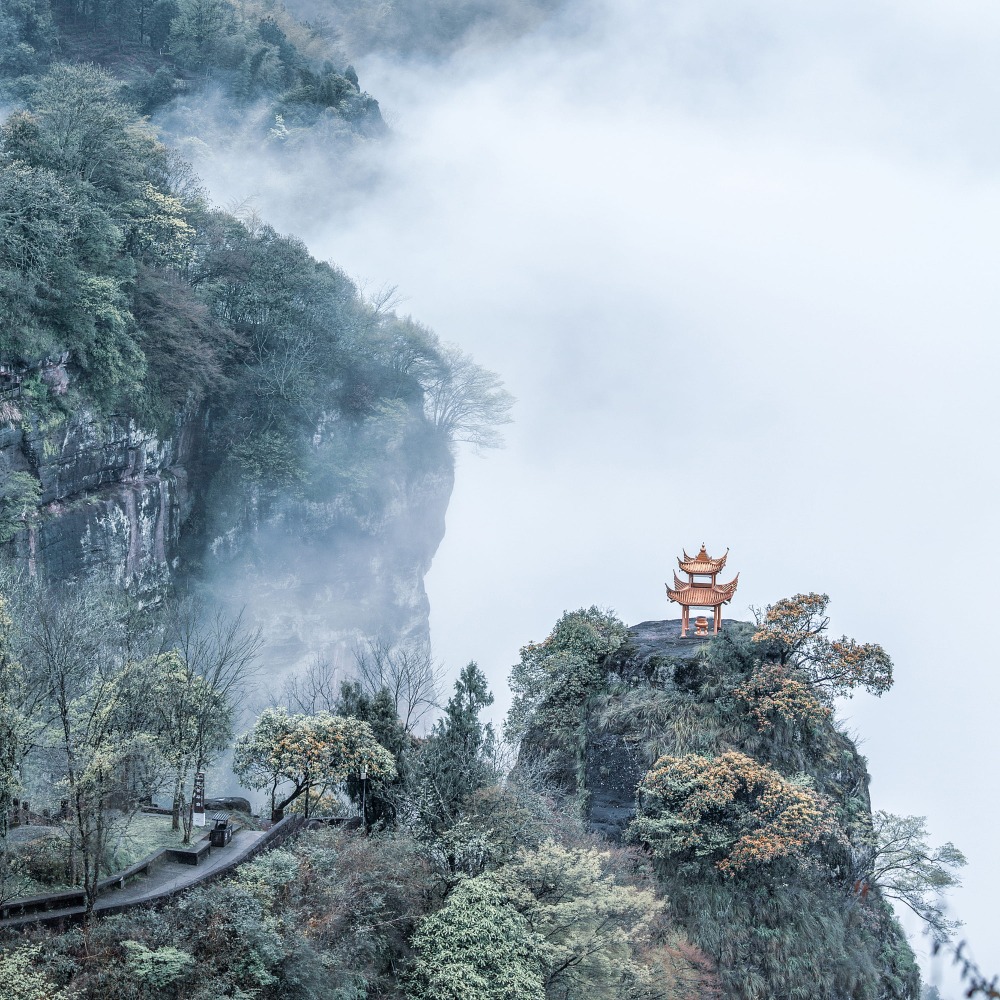
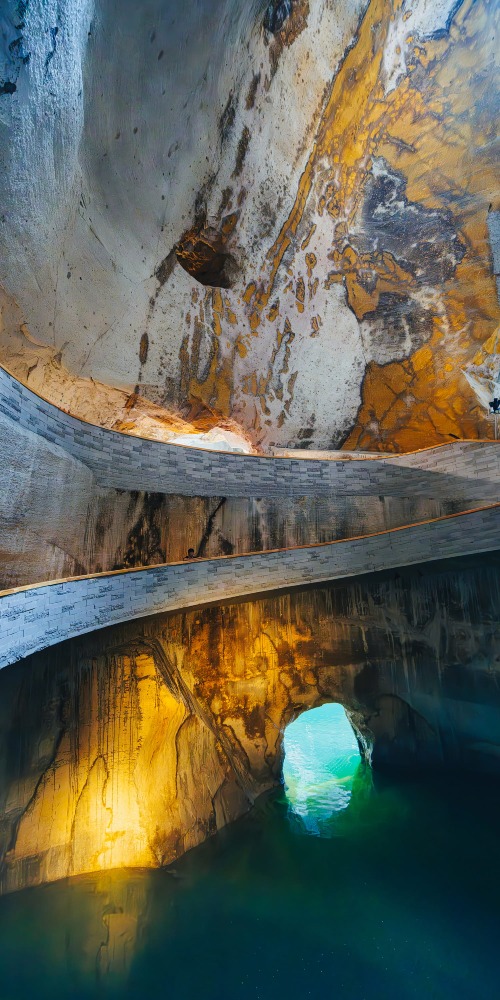
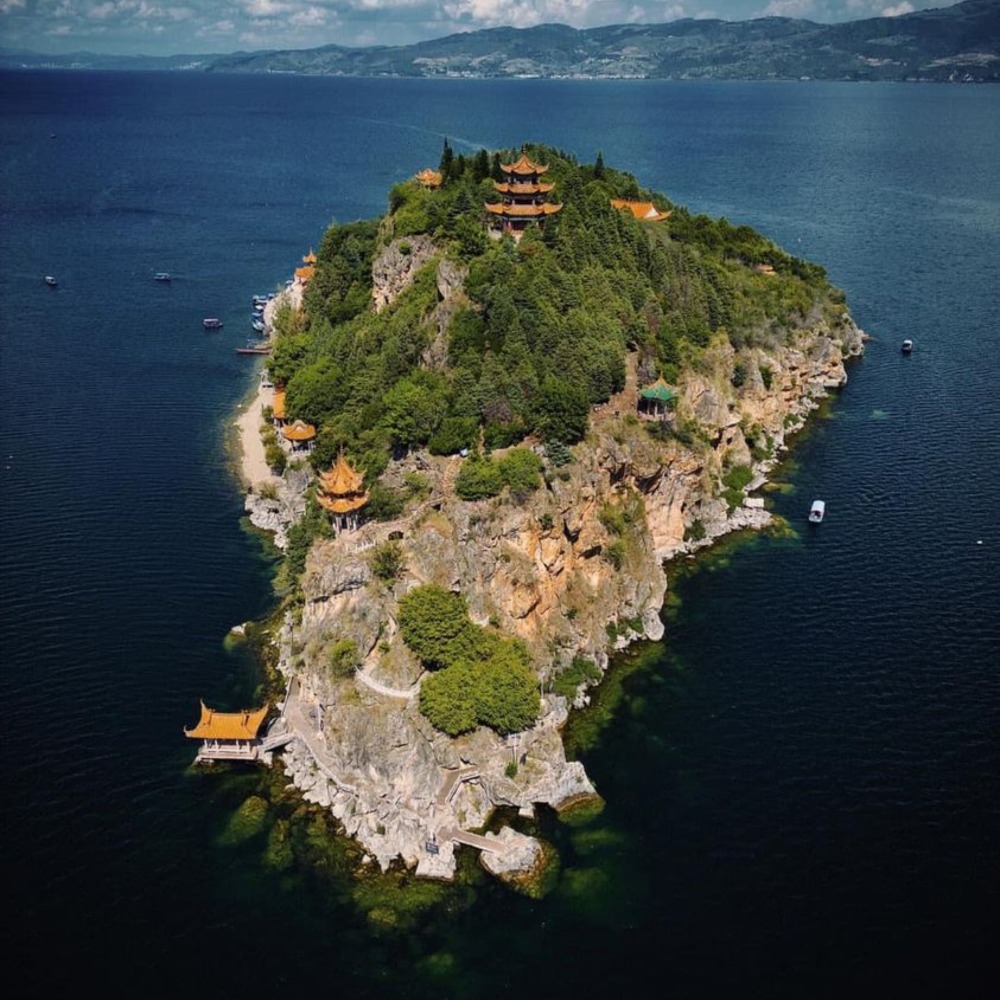
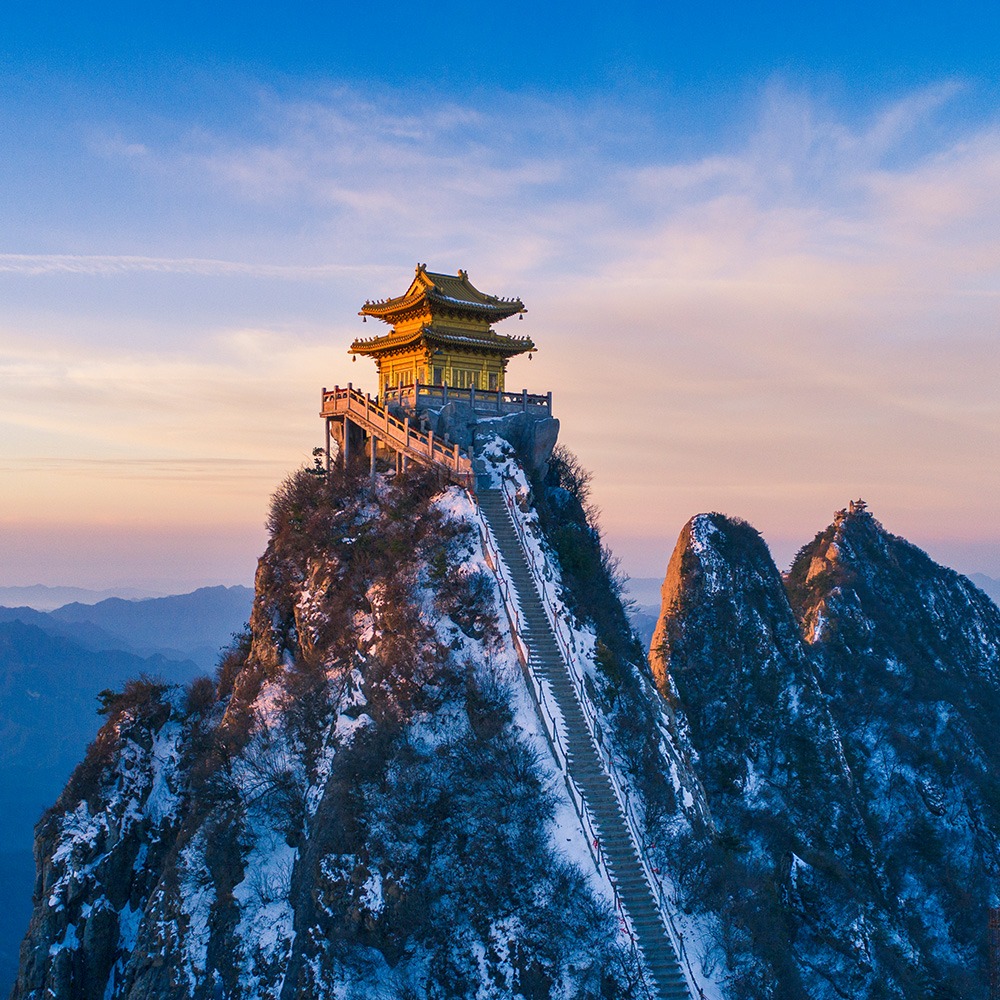
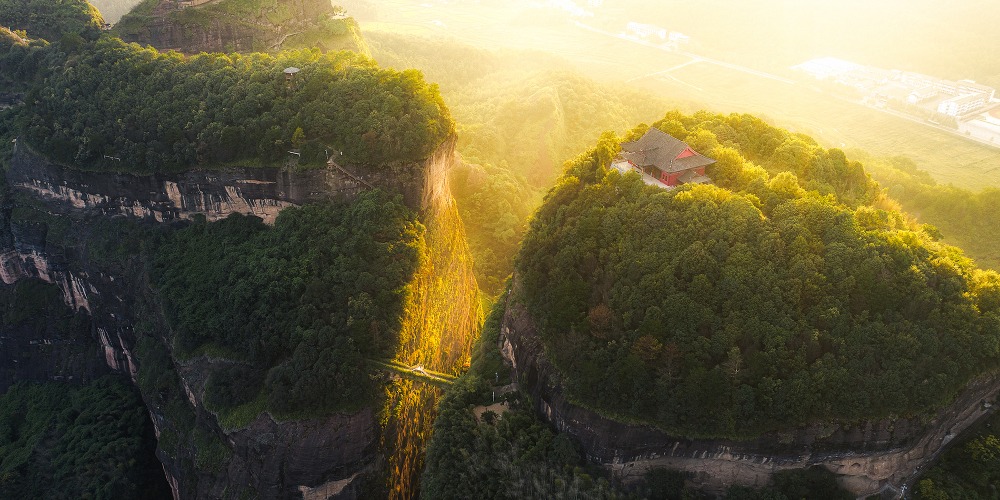
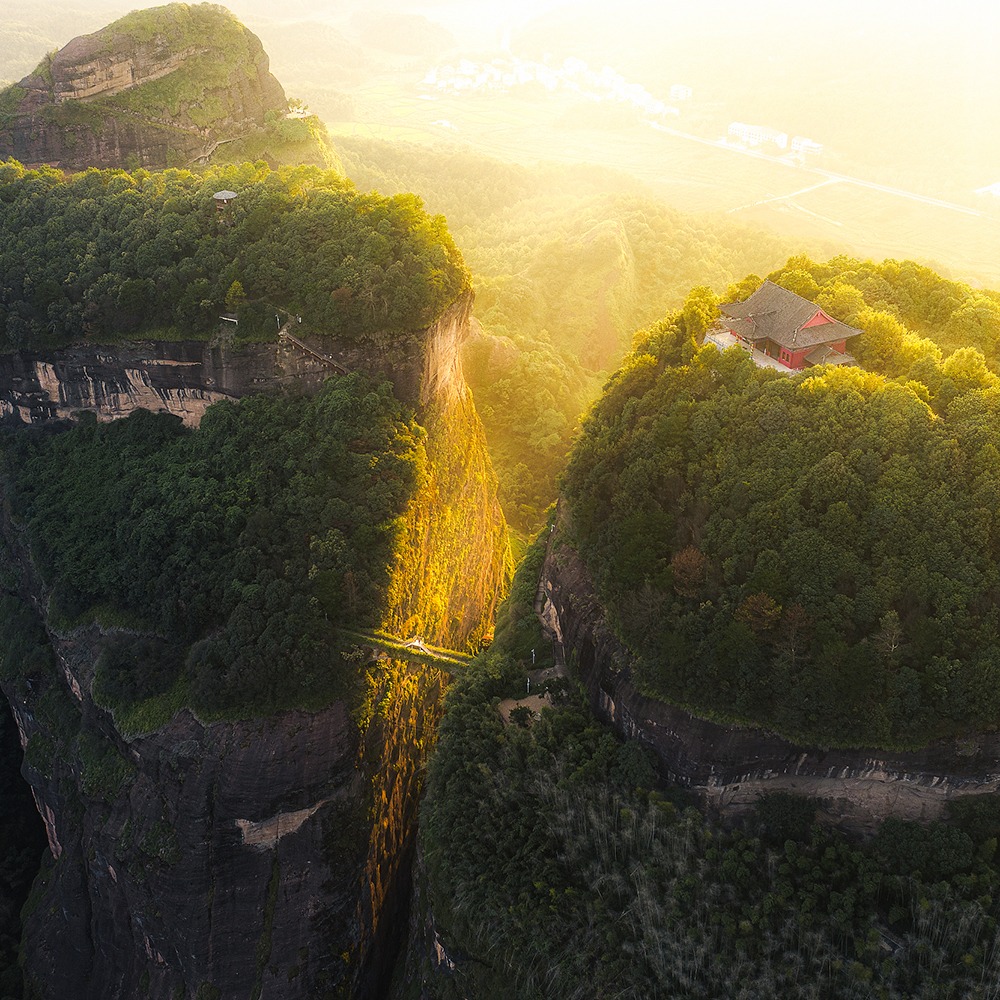
In Jiangxi, China's Longhu Mountain is renowned for its stunning scenery and legendary status.
High on its cliffs lie hundreds of ancient hanging coffins from the Spring and Autumn and Warring States periods over 2,000 years ago.
The enduring mystery remains: without modern machinery, how were these coffins placed there—through ingenious methods or mysterious forces?
One of the birthplaces of Taoism
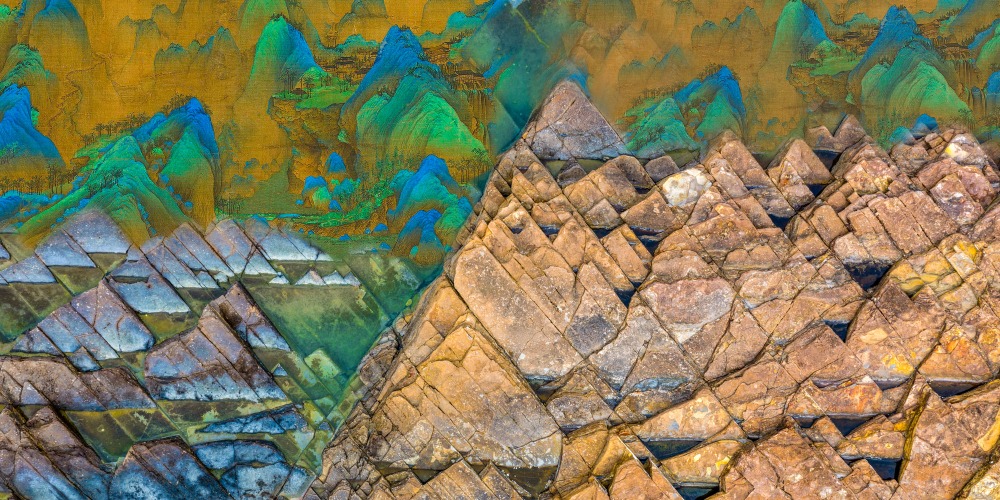
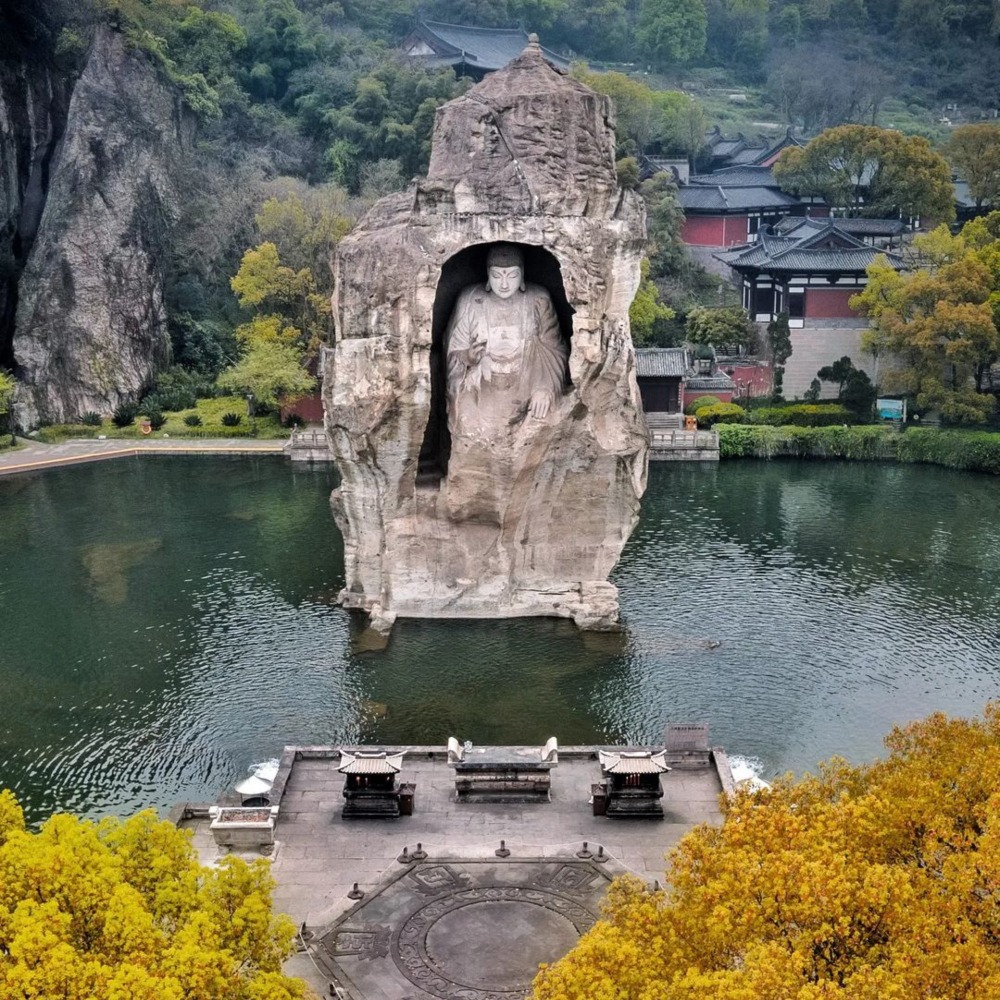
Located in Yingtan City, Jiangxi Province, Longhu Mountain is famous for being a Taoist sacred site, its Danxia landforms, and thousand-year-old hanging coffins. It was listed as a World Natural Heritage site in 2010.
Legend has it that during the Eastern Han Dynasty, Zhang Daoling, founder of the Zhengyi Taoist school, practiced alchemy here. Upon the elixir's completion, a dragon and tiger appeared—hence the mountain's name and its status as one of the birthplaces of Taoism, with a history spanning over 1,900 years.
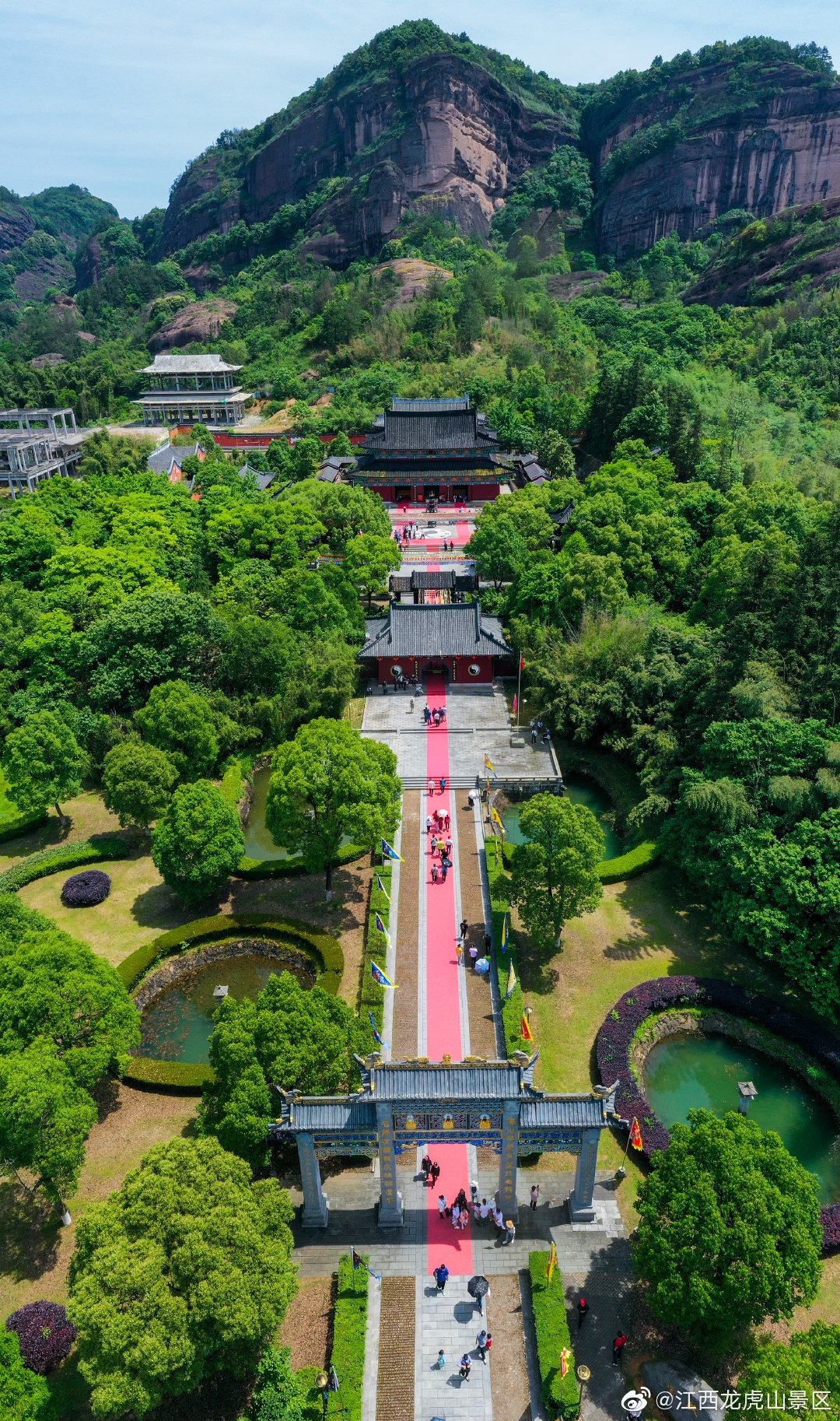
At its peak, Longhu Mountain housed over a hundred Taoist temples and monasteries, earning it the title "the Taoist capital." Sites such as Zhengyi Temple and Shangqing Palace remain to this day, continuing to attract visitors as popular cultural destinations.
The million-dollar unsolved mystery?
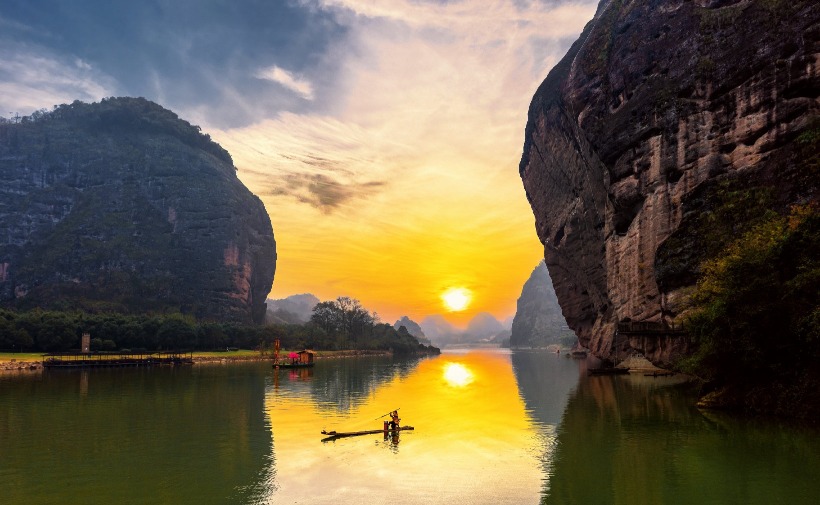
While the natural landscape and Taoist culture imbue Longhu Mountain with an ethereal charm, the over 200 cliff tombs along its Luxi River area deepen the mountain's air of mystery.
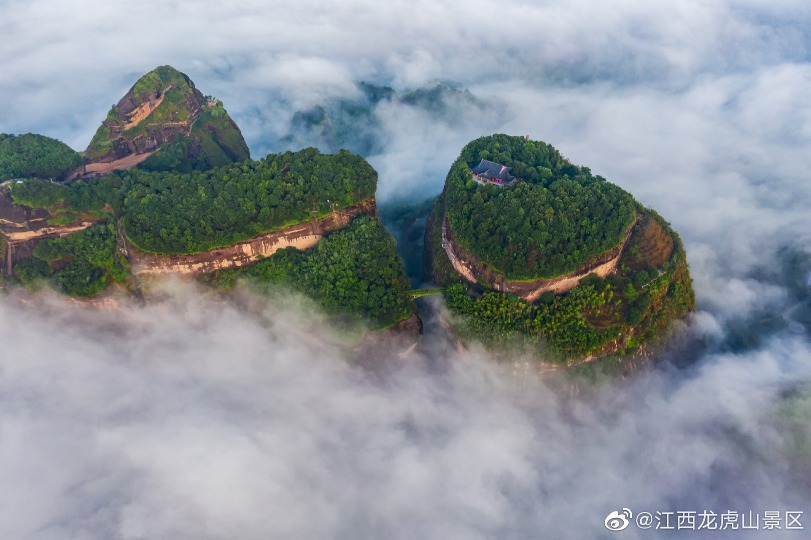
These tombs are scattered in caves on the mountain cliffs, at heights ranging from about 20 to 100 metres above the water surface and were only discovered in the 1980s.
Through archaeological excavations, it was confirmed that this tomb group dates back to the Spring and Autumn and Warring States periods over 2,000 years ago, and it is one of the oldest hanging coffin tomb groups in China.
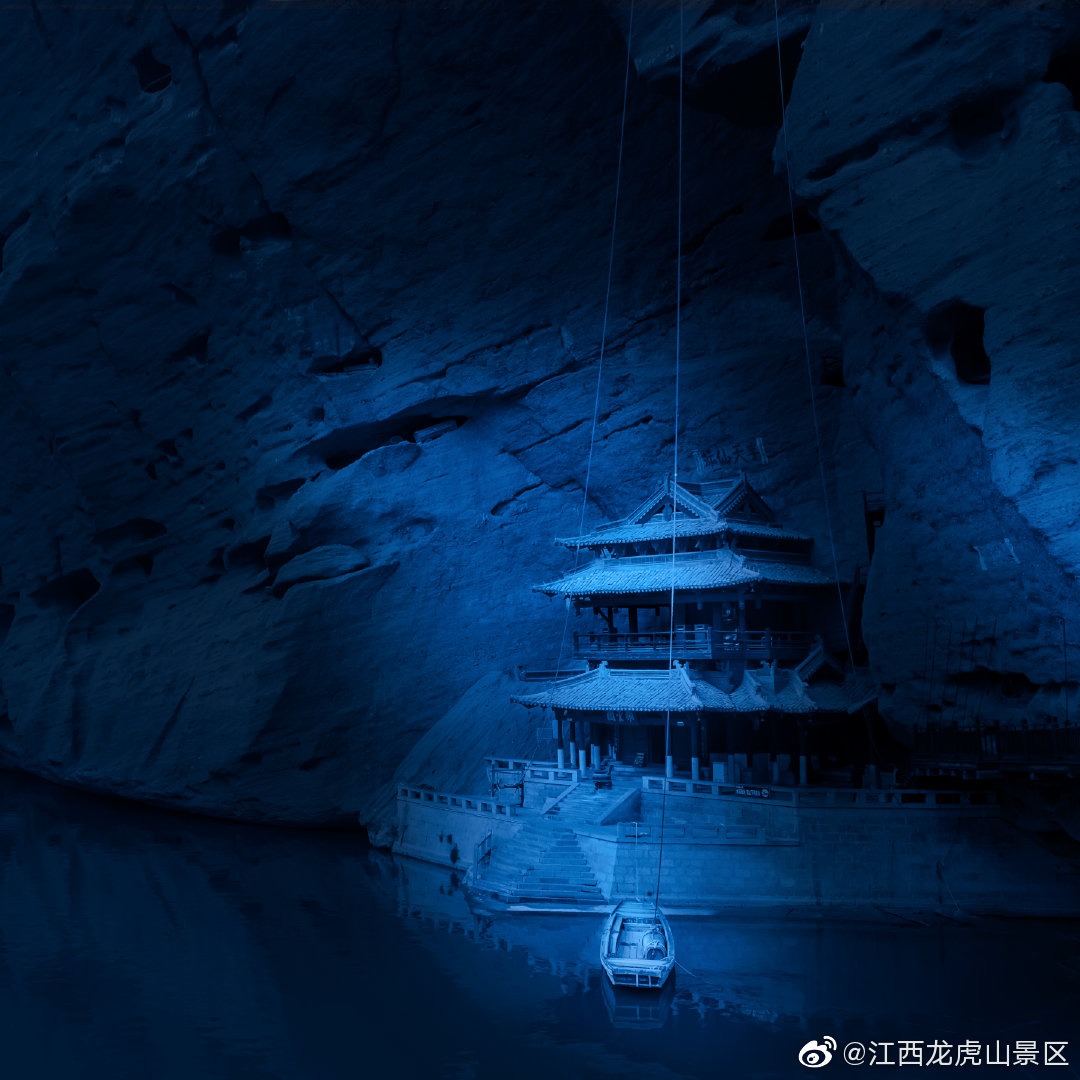
In the pre-Qin period, without modernisation or machinery, how did the Baiyue people who lived here place hanging coffins, weighing hundreds of catties, onto the sheer cliffs?
If pulley systems were used, although they could achieve the goal of "hanging the coffins," they would certainly have left traces of use on the mountain.
Even after erosion over time, these traces would not have disappeared completely, yet experts have not found any such marks on the mountaintop.
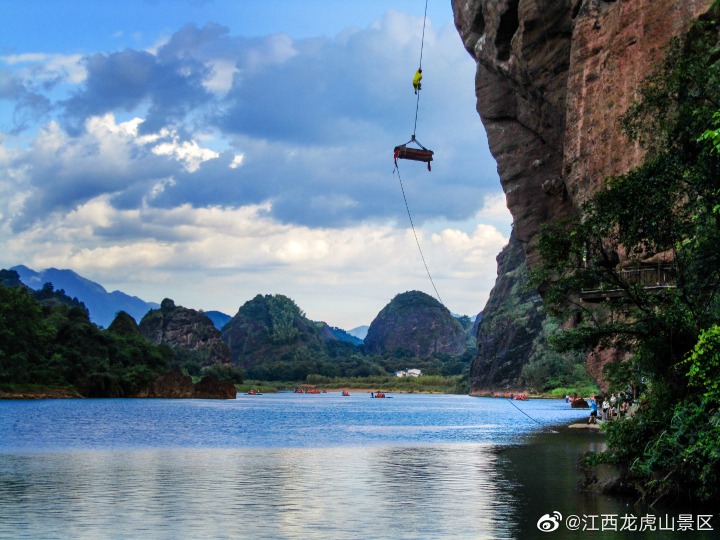
In 2013, the staff of the Longhu Mountain scenic area even offered a reward of 1 million RMB to find the answer to the mystery of the hanging coffins, which no one has been able to solve to this day.
Read more: How spectacular is the Chinese Butter Lamp Festival?